


Fendi Eyeglasses


















Loading...
Roman Design with Italian Craftsmanship


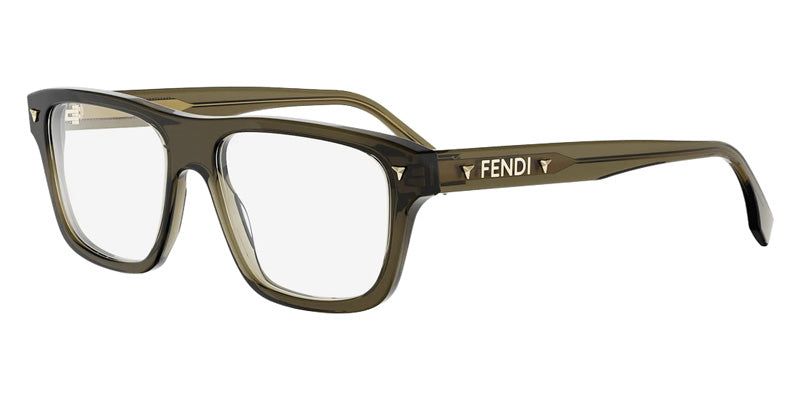
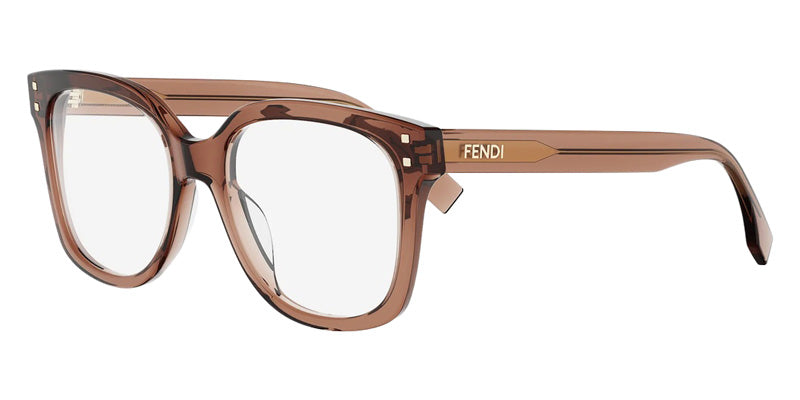
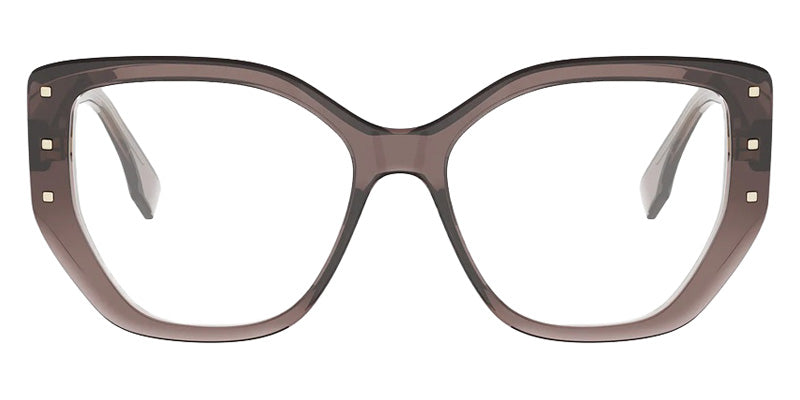
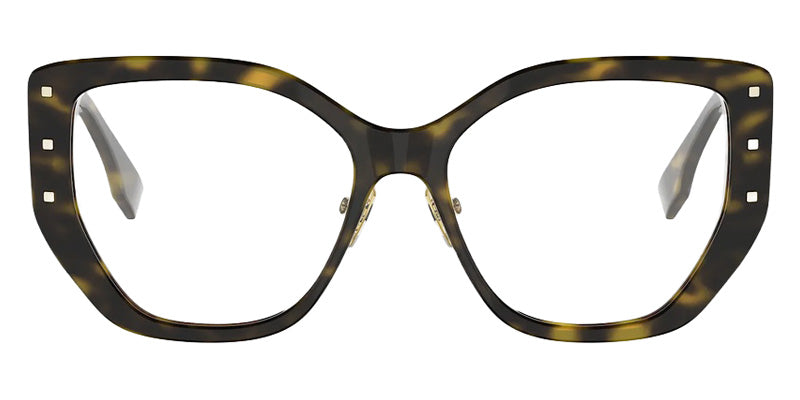
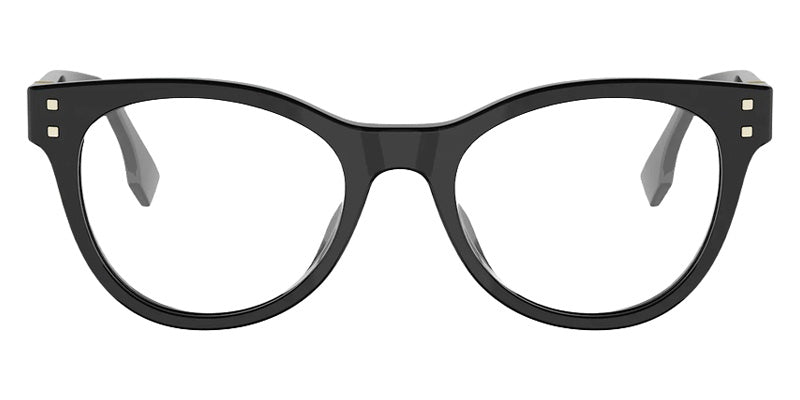
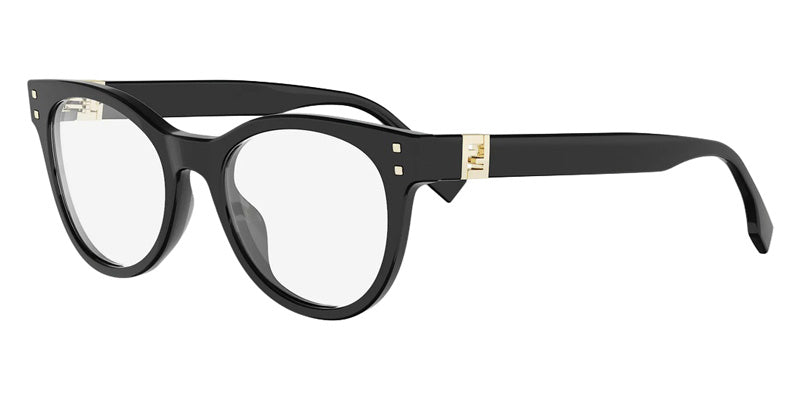
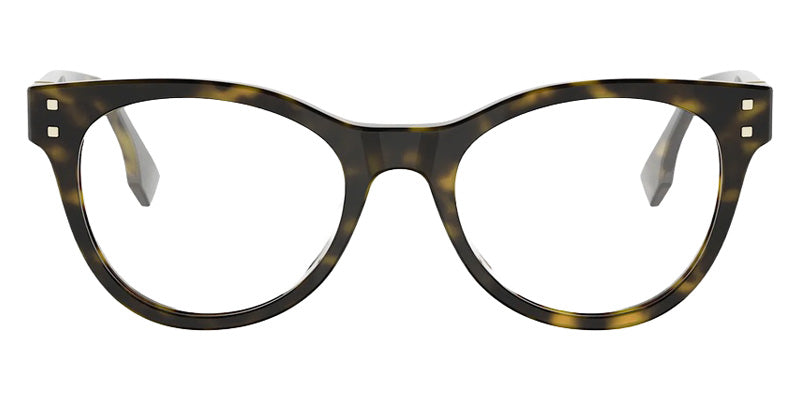
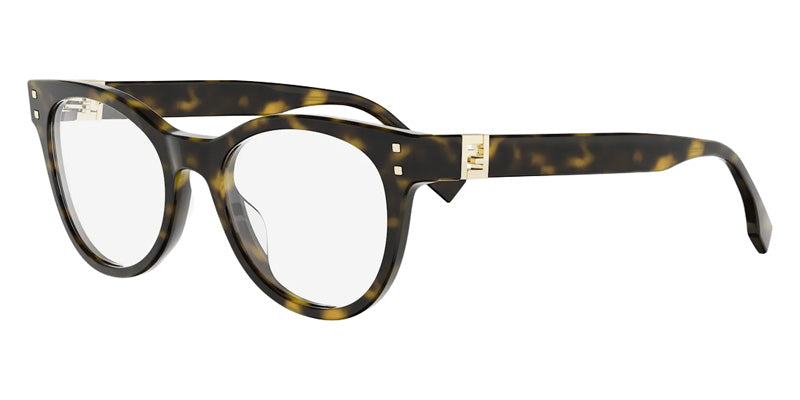
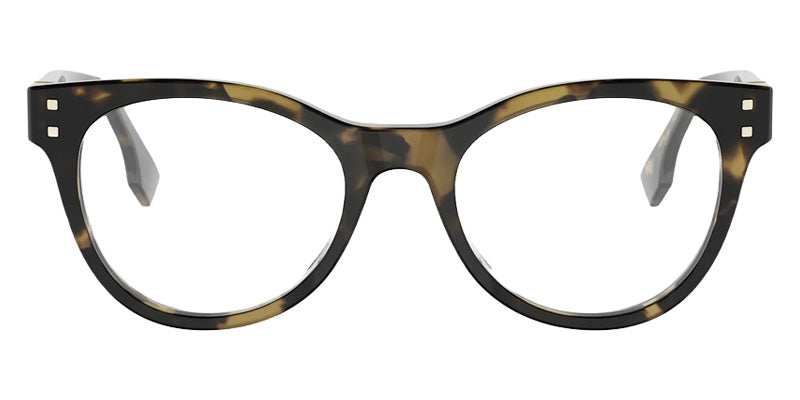
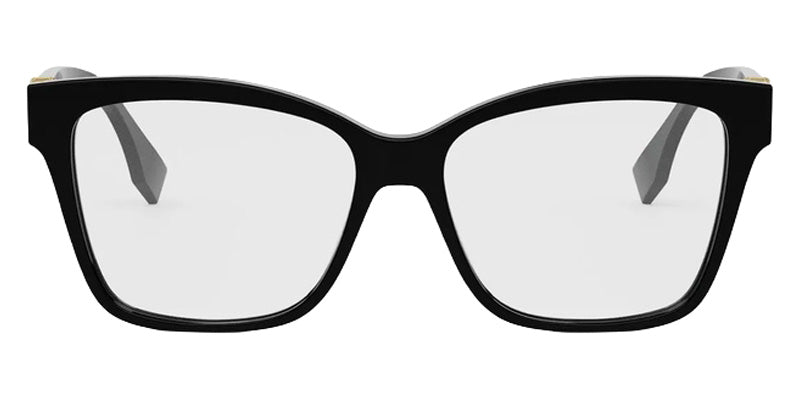
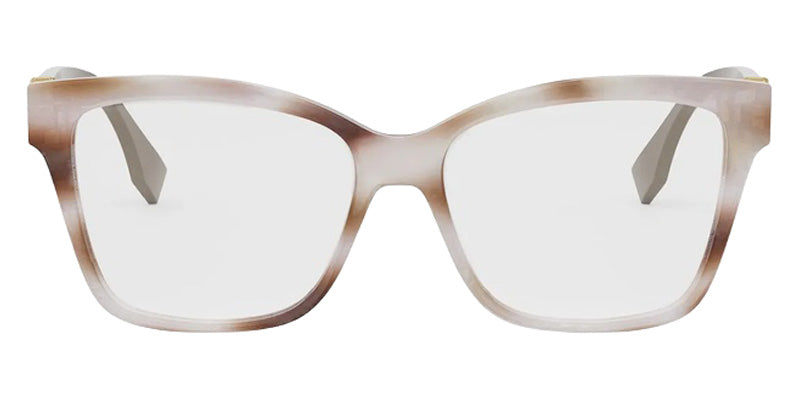
Blending the geometry of Roman architecture with Italian eyewear-making traditions, Fendi eyeglasses stand out for their monumental shapes, carefully worked details, and unexpected combinations of materials. One of the ideas behind Fendi's design is dualism: bringing elements of the past into contemporary fashion. In optical frames, this can mean thick acetate fronts paired with slender metal temples or a simple rectangular frame accentuated with oversized gold-tone hardware. Structured proportions and geometric forms of Fendi eyeglasses are where the brand's connection to Roman architecture becomes particularly visible. The outlines of these spectacles are easily recognizable, often made even more expressive through enlarged temples and sculptural metal details.
Fendi eyeglasses are manufactured in Italy by Thélios, an eyewear specialist of the LVMH luxury group. While its Longarone facilities utilize high-precision machinery for cutting components into shape, final polishing, assembly, crystal embellishments, and all the intricate detailing are performed exclusively by hand. Using top-shelf acetate allows Fendi to sculpt substantial profiles and complex silhouettes, while also benefiting from the material's polished gloss, amazing depth, and richness of patterns revealed when light passes through. For more delicate styles and elements, titanium and premium metals are used, often undergoing galvanic plating with gold, rose gold, or palladium coatings. Selected models boast genuine leatherwork imitating that traditionally seen on the company's leather goods. Together, these materials and finishes give Fendi eyeglasses their bold appearance while keeping the frames light, pleasant to the touch, and comfortable for long hours of everyday wear.
Key Style Traits of Fendi Eyeglasses
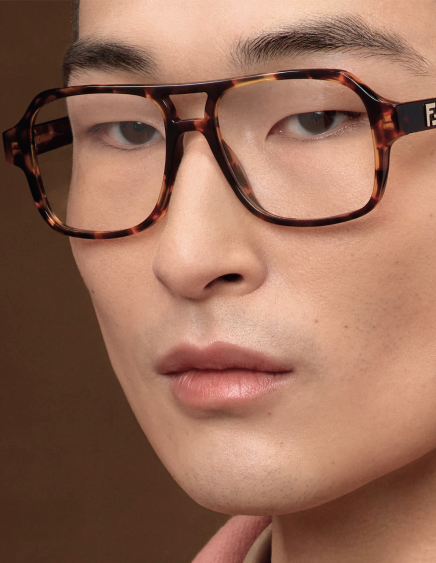

- Architectural Shapes: The brand is deeply inspired by Roman architecture, using it as a visual reference for its eyewear. In particular, the repeated arches and symmetrical geometry of the Palazzo della Civiltà Italiana (the brand's headquarters) are often translated into Fendi designs as massive browlines, wide temples, and squared edges.
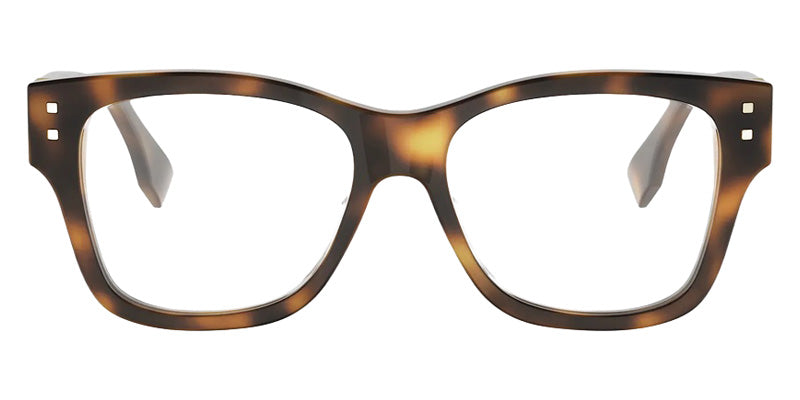
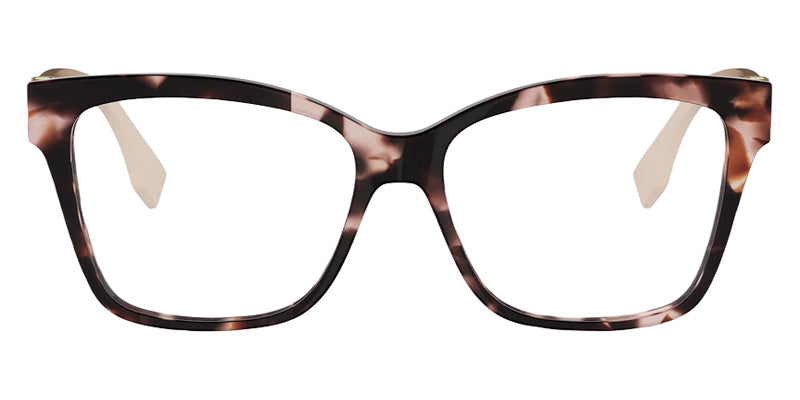
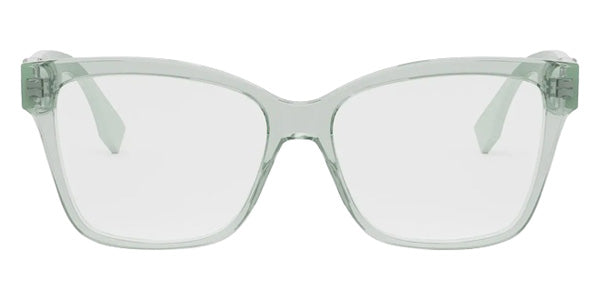
- Texture and Volume: Many Fendi eyeglasses, with their thick acetate fronts, beveled edges, and raised decorative elements, have a noticeable sense of depth. Transparent or semi-transparent acetates are especially striking, revealing beautiful layered colors and inner metal cores of the temples. Some models deliberately play on the contrast between smooth surfaces and three-dimensional details.
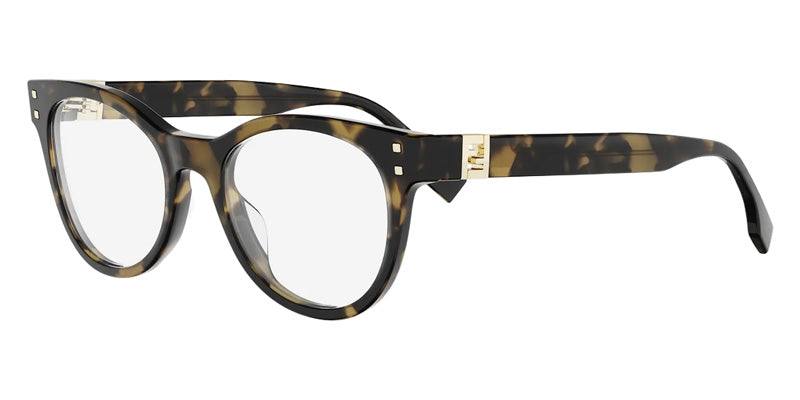
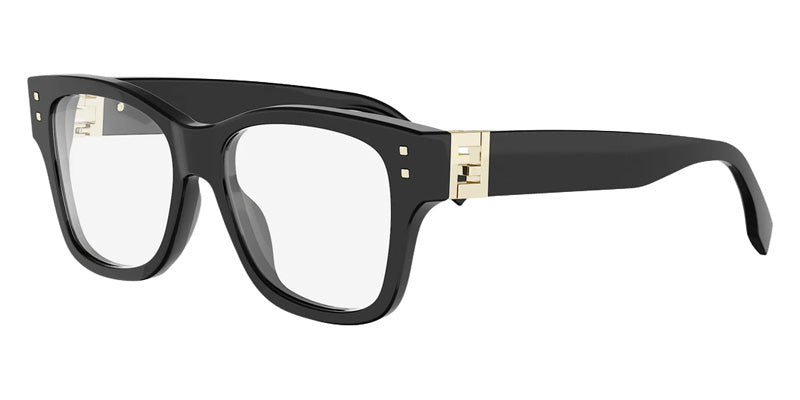
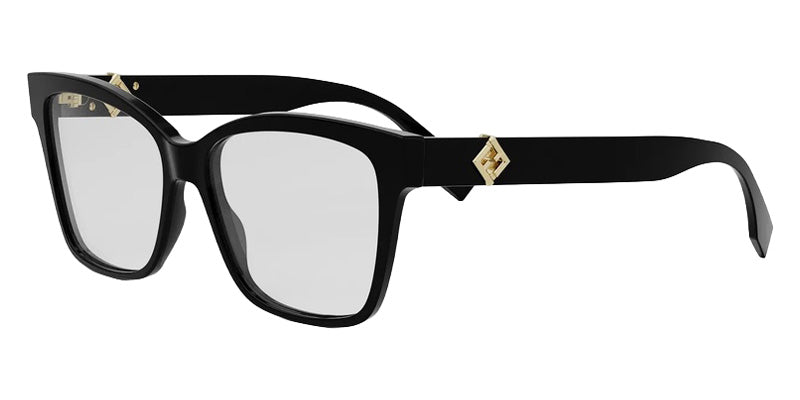
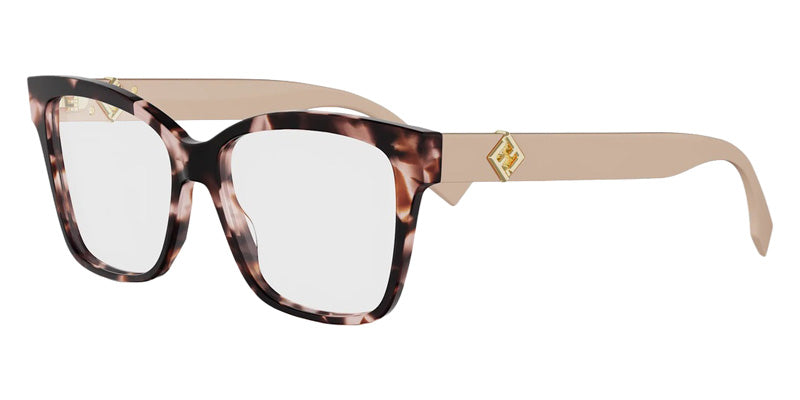
- Recognizable House Signatures: Every collection of Fendi eyeglasses incorporates heritage references. The interlocking FF monogram, dating back to 1965 when it was created by Karl Lagerfeld, appears on temples, metal fittings, and other frame components, instantly speaking of the pair's origin.
Iconic Silhouettes and Standout Motifs


Although Fendi eyeglasses share the same, easily recognizable aesthetic, each collection is centered around its own prominent detail that serves as a reference to its high fashion background. Fendi Roma, for instance, is distinguished by the bold, gold- or silver-tone FENDI ROMA lettering on the temples. The line showcases sculpted square, rectangular, and butterfly glasses that stand out through thick rims and wide temples with engraved metal cores seen inside them, as well as polished black, Havana, and translucent finishes. Fendi Way takes a more adventurous approach, letting itself be known by contrasting F-shaped temple tips. The frames have a similar FENDI lettering, but for this collection, it is engraved into the sides and filled with colored enamel. Among the distinctive features of the line are sharp angles, especially on squares and butterflies, thinner temples, and more versatile palettes.
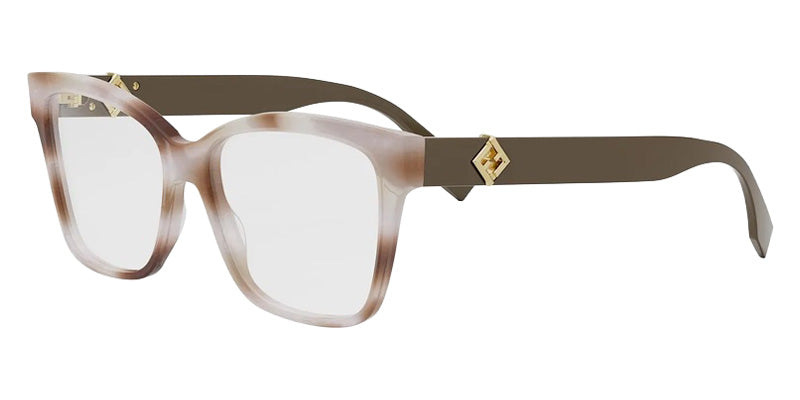
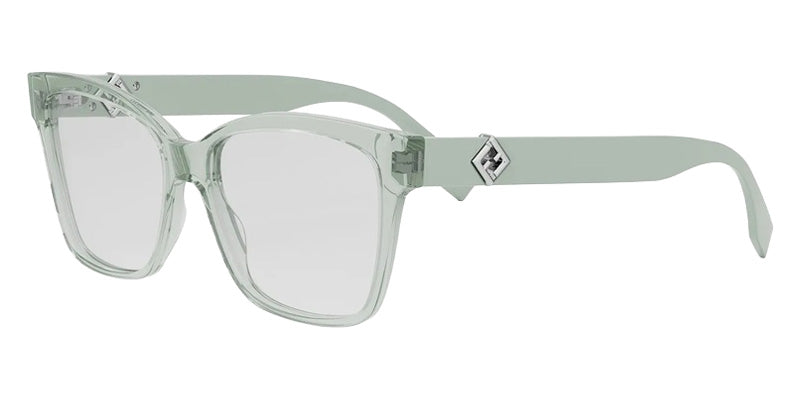
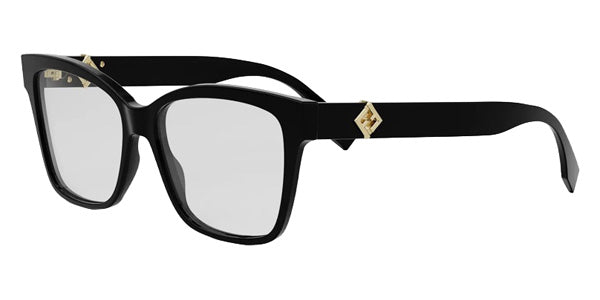
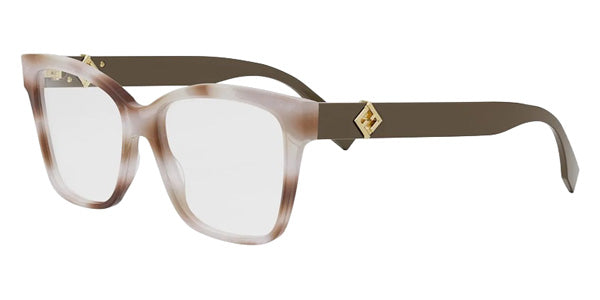
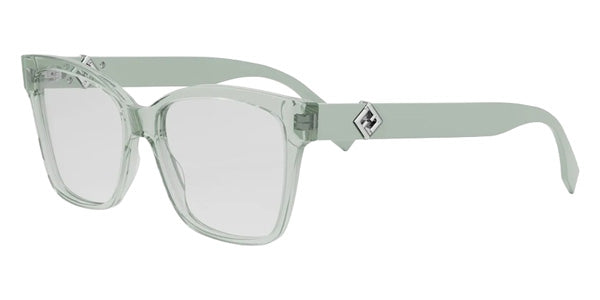
Meanwhile, Fendi O'Lock steals the spotlight with its polished, oval metal emblem, an homage to the brand's jewelry designs. You will usually see the interlocking motif near the hinges, where it looks like a small piece of gold or silver jewelry attached to the temples. Next up is Fendi Baguette, borrowing its signature detail from the clasp of the brand's famous Baguette handbag. You can find the same rectangular FF ornament on the temples of these acetate cat-eye and rectangular frames, while the slimmer metal models included in the collection sparkle with their gold-tone or palladium-colored finishes. Finally, FF Diamonds, consisting mainly of square, butterfly, and rounded silhouettes, can be immediately recognized by a double-F metal element shaped like a diamond that is part of the hinge or temple design. Whichever particular aesthetic you fancy most, Fendi eyeglasses offer a vast range of styles and fits for a statement-making entrance.
FAQ
Where are Fendi eyeglasses made?
Fendi eyeglasses are produced in Italy by Thélios, the eyewear division of LVMH. Its manufacturing facilities in Longarone rely both on advanced manufacturing technologies and traditional Italian handcraftsmanship.
What materials are Fendi eyeglasses made of?
Fendi makes its glasses from quality acetate and metal, sometimes using their combinations in the same frame. Acetate is chosen for its substantial volume, rich colors, and striking translucent effects. Metals, on the other hand, allow for slimmer contours and elaborate decorative details in finishes such as gold-tone and palladium.

Eyecare + Eyewear all at the same convenient location.


Upper West Side
280 Columbus Ave
(corner of W 73rd St)
New York, NY 10023
Mon-Sat: 10:00am to 7:00pm
Sun: 10:00am to 6:00pm
Upper East Side
1249 3rd Ave
(corner of E 72nd St)
New York, NY 10021
Mon-Sat: 10:00am to 7:00pm
Sun: 10:00am to 6:00pm
info@eurooptica.com
